Find the moment that most likely swung the battle
Live battle review demo
Clash Royale Battle Analysis
Enter a player tag and review the latest public battle. Clash Coach shows the matchup, both decks, the swing mistake, the next fix, and whether the problem is deck structure or gameplay.
Matchup Analysis
SampleHog Cycle vs Log Bait
Sample Player
(2.6 elixir)


Log Bait
(3.0 elixir)


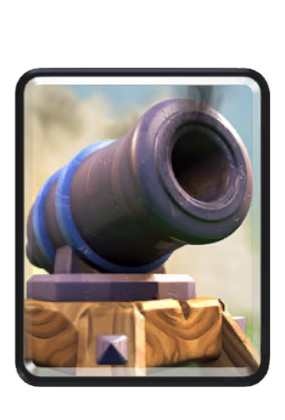
This is a fast-cycle pressure matchup where your Hog deck can keep control, but only if The Log stays available for Goblin Barrel and Skeleton Army. The loss was not a deck-structure problem: the cycle was healthy, Cannon covered the lane, and Musketeer gave enough air control. The swing came from spending The Log early, defending Valkyrie too high, then letting their bait cards force messy trades before your next Hog push was ready.
Tips
- Hold The Log until Barrel is known, defend Valkyrie lower with Cannon support, then punish opposite lane with Hog Rider after their bait response is out of cycle.
- Logged Princess while Barrel was still in cycle.
- Defended Valkyrie too high and gave bridge pressure value.
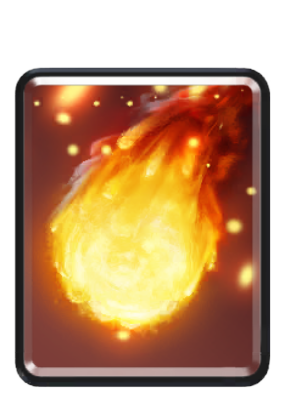
- Fireball was held for tower damage instead of resetting their bait chain.
Spell plan
- Do not spend The Log until Goblin Barrel or the swarm punish is visible.
- Use Fireball only when it protects the next Hog Rider cycle or removes support behind their tank.
- If you lose the spell trade, reset the lane first; do not force a second bridge push into their counter cards.
Watch Out For
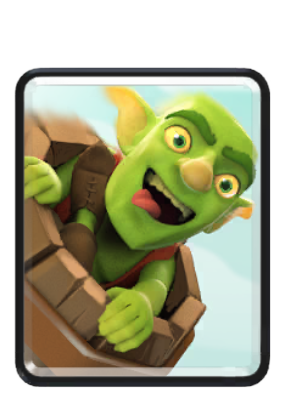
Goblin Barrel
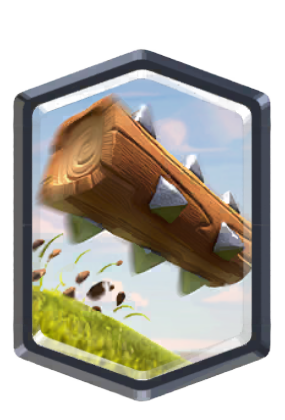
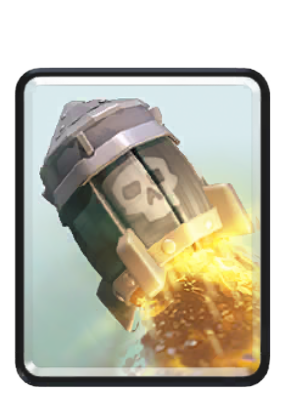
The Log
The Log must stay locked for Barrel or Skeleton Army value; do not spend it just to cycle.
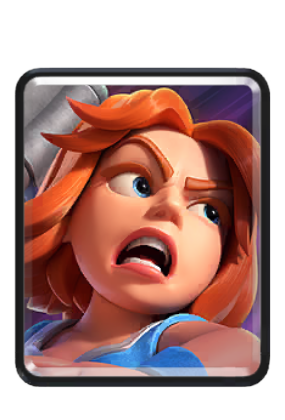
Valkyrie
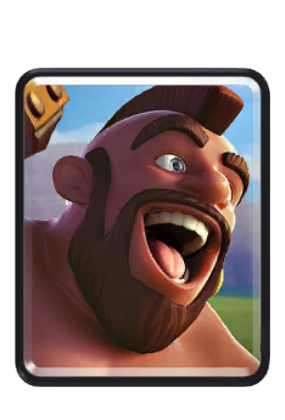
Hog Rider
Hog Rider should pull her low, then your ranged card can clean up before the bridge pressure stacks.
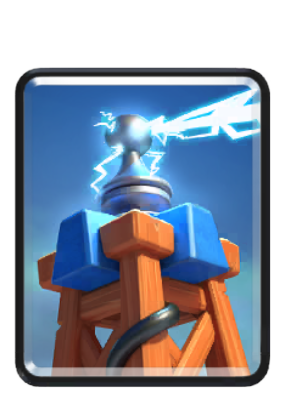
Tesla
Musketeer
Musketeer is your timing card; force it first, then pressure when the building is out of cycle.
Leverage cards
Hog Rider · Musketeer · Cannon · Fireball · The Log
Quick Summary
What this explainer answers
These bullets summarize what a player can do here before opening the app.
Separate one-off mistakes from repeat patterns
Move into deck help only when the list is the real problem
Live Product
What the page is anchored to today
These are the live product paths that matter most.
Replay proof
The review should name the swing moment
A useful analysis calls out the overcommit, dead spell, missed punish, or defensive timing problem that changed the game.
Players leave with one fix, not a pile of vague notes.
Read samplesPattern proof
One replay becomes stronger when it connects to a pattern
The profile layer helps confirm whether the issue repeats across sessions before the player overreacts.
Battle-log sync
Connect a Clash Royale player tag and pull recent matches into the dashboard for review.
Matchup overview
Every analyzed battle starts with a matchup verdict, elixir context, and the key interaction to watch.
Performance and threats
Higher tiers add stronger reads on performance gaps, key threats, and practical plans for the matchup.
Profile follow-through
Use the player profile to see whether the same battle issue is repeating across sessions.
Deck-side next steps
If the issue is structural, the deck workspace gives the next card-change or archetype decision.
Why It Matters
Why battle analysis has to do more than summarize the match
Stats sites can show usage and match history. A coaching page has to explain the decision that mattered and what the player should do differently next time.
- 01Start from recent battles, not generic theory
- 02Prioritize the mistake with the highest improvement value
- 03Connect replay notes to profile patterns and deck-side follow-through
Playbook
What you need to know
Keep the steps clear enough to use before the next match.
Start with the battle that still feels confusing
The best review starts while the match context is fresh. Look for the moment where the game stopped being stable.
- Bad opening play
- Missed punish window
Turn the review into one next action
If the analysis gives five priorities, the player fixes none of them. The page should teach the next action first.
- Hold spell until value is confirmed
- Stop stacking support into splash damage
Escalate to deck help only when needed
Some losses come from a bad list, but many come from how the list is played. Battle analysis should make that difference clear.
- Execution issue: review and replay
- Pattern issue: check profile
Proof
See it in action
A few practical ways this page connects to the app.
Sharper than stats
The page explains what to do, not only what happened.
It can compete beyond generic battle-log intent.
Sample-backed
Visitors can read anonymized analysis before signing up.
The CTA feels earned.
Measurable
The page is built around a public battle review result, not a generic article CTA.
Search visitors can see the coaching value before they sign up.
Questions before you start
What is Clash Royale battle analysis?+
It is a review of recent matches that identifies the key decisions, recurring mistakes, matchup problems, and next practice target.
Is battle analysis better than deck analysis?+
Use battle analysis when the issue might be timing or decision-making. Use deck analysis when the card list itself looks structurally weak.
What should I do after a battle review?+
Pick one fix for the next queue block, then review again to see whether the same issue repeats.
Keep reading
Clash Royale stats
See how battle issues show up over time in the player profile.
Read more
Deck analysis
Use deck analysis when the issue looks structural instead of mechanical.
Read more
Sample analysis
Read anonymized examples of the review style before signing up.
Read more
Pricing
Compare battle-analysis access and profile refresh speed by plan.
Read more